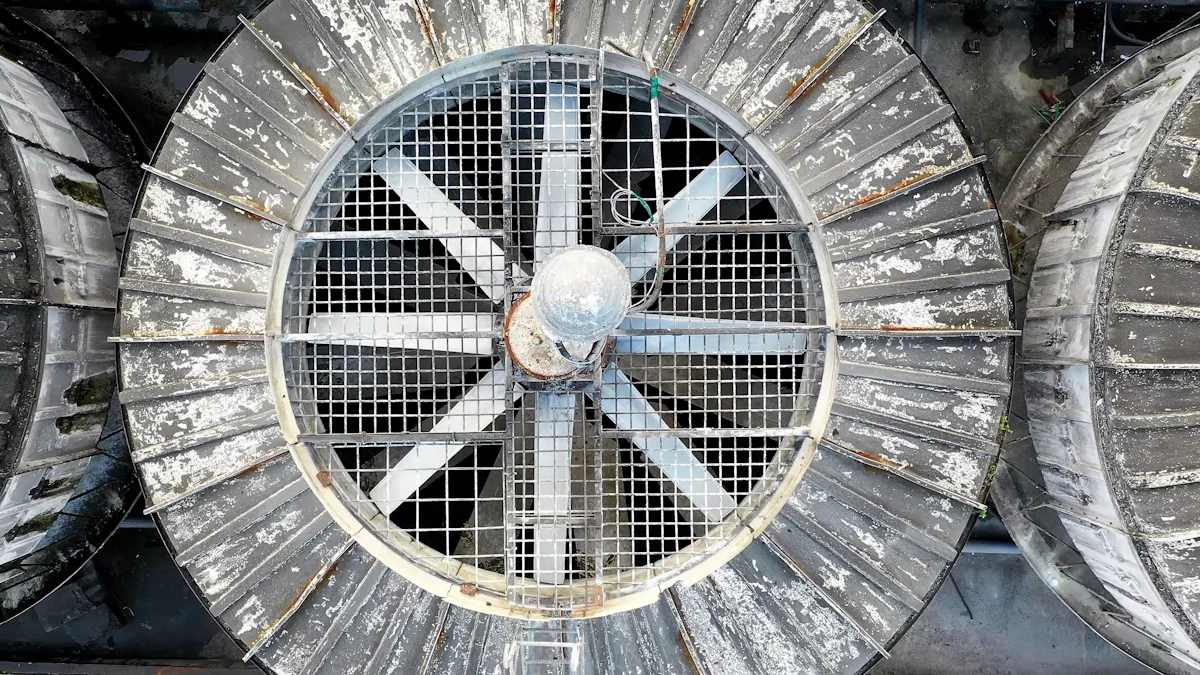
In the realm of industrial cooling solutions, selecting the appropriate system is paramount for ensuring operational efficiency and safety. Air cooling systems typically cater to smaller industrial applications due to their simplicity and cost-effectiveness. Conversely, liquid cooling systems excel in larger setups, offering superior efficiency and cooling capacity. As industries increasingly prioritize energy-efficient and sustainable practices, the demand for advanced cooling solutions continues to rise. This trend aligns with the global market's growth trajectory, which anticipates a significant increase in the adoption of innovative cooling technologies.
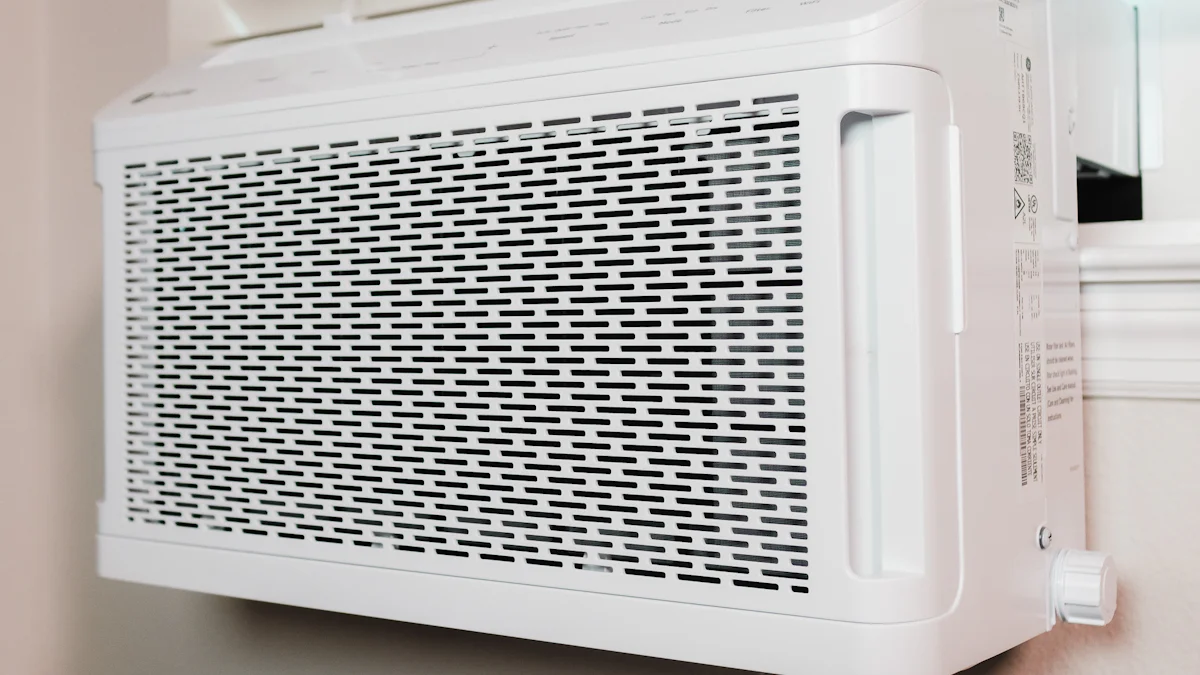
Air cooling systems operate by utilizing the natural process of dissipate heat to dissipate heat. These systems draw in cooler air from the environment and circulate it across the components that require cooling. This method effectively prevents overheating by transferring heat away from the equipment. Air Cooling Systems often come in two types: open ventilated systems and enclosed systems. Open ventilated systems use atmospheric air, which is then released back into the environment after absorbing heat. In contrast, enclosed systems recirculate the air internally, providing a more controlled cooling environment.
Air cooling solutions find widespread use in various industrial sectors due to their simplicity and effectiveness. Industries such as metalworking, automotive, and chemical manufacturing frequently employ these systems to manage the heat generated by machinery and processes. By maintaining optimal temperatures, air cooling systems enhance equipment performance and extend its lifespan. Additionally, they contribute to a safer working environment by reducing the risk of heat-related incidents.
One of the primary advantages of air cooling solutions is their cost-effectiveness. These systems typically require lower initial investment compared to liquid cooling alternatives. The absence of complex components and the reliance on ambient air for cooling contribute to reduced operational costs. Businesses can achieve significant energy savings, especially when using evaporative cooling systems, which leverage the principle of evaporation to lower air temperature.
Air cooling systems are renowned for their simplicity and ease of maintenance. With fewer moving parts and no need for a continuous water supply, these systems demand less frequent servicing. This simplicity translates to lower maintenance costs and reduced downtime, making them an attractive option for industries seeking reliable cooling solutions without the complexity of liquid systems.
Despite their benefits, air cooling solutions have limitations in terms of cooling capacity. They may struggle to meet the demands of large-scale industrial applications where substantial heat dissipation is required. In such cases, liquid cooling systems might offer a more suitable alternative due to their higher efficiency and ability to handle greater thermal loads.
Air cooling systems, particularly those relying on open ventilation, can have environmental implications. The release of heated air back into the atmosphere may contribute to local temperature increases and affect surrounding ecosystems. Additionally, while evaporative cooling systems offer energy savings, their effectiveness can vary based on climate conditions, limiting their applicability in certain regions.
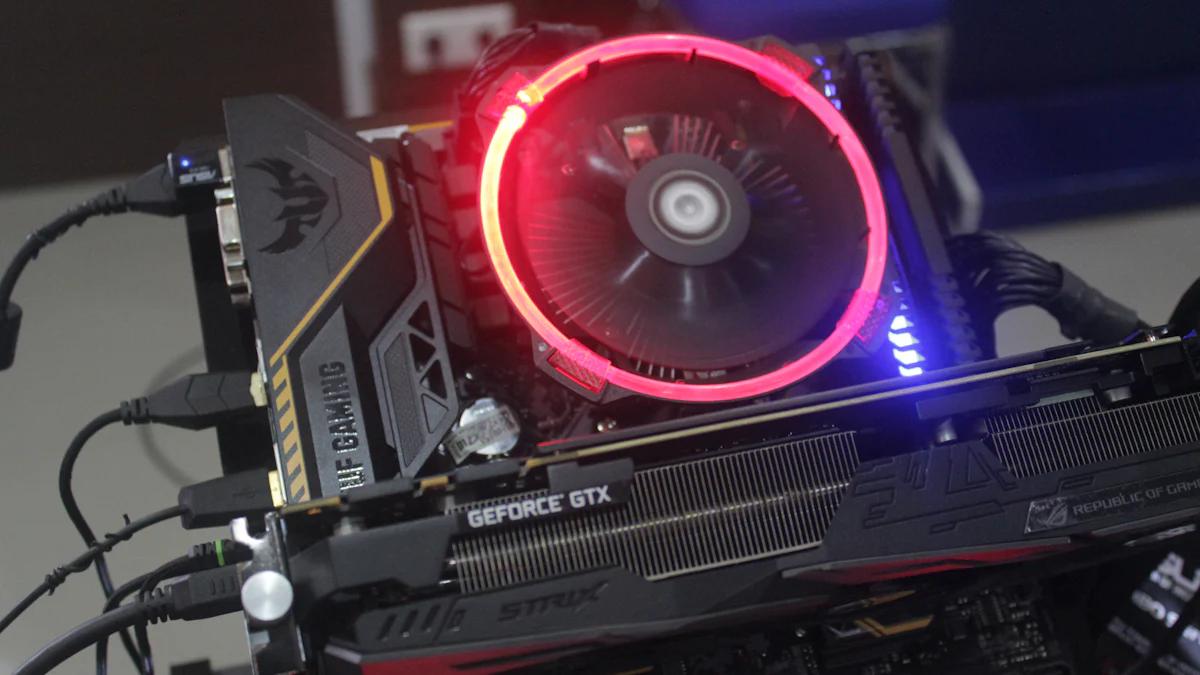
Liquid cooling systems operate by circulating a coolant through a network of tubes and components. This coolant absorbs heat from critical areas such as CPUs and GPUs, transferring it to a radiator. The radiator, equipped with fans, disperses the heat into the surrounding environment. This method provides a more efficient heat transfer compared to traditional air cooling, as it distributes heat over a larger surface area. Liquid Cooling systems often incorporate a water pump and radiator, ensuring continuous circulation and effective heat dissipation. This approach not only protects components from overheating but also maintains quieter operation.
Industries with high-performance requirements, such as data centers and gaming setups, frequently utilize liquid cooling solutions. These systems address the challenges of higher data center densities by efficiently conducting heat away from processors. By strategically placing cold plates above heat sources, liquid cooling maximizes heat reuse efficiency and reduces energy consumption. In addition, industries like automotive and aerospace benefit from liquid cooling's ability to manage substantial thermal loads, enhancing both performance and durability.
Liquid cooling solutions offer superior efficiency and performance, making them ideal for demanding industrial applications. They consume approximately 10% less energy than traditional air chillers, reducing carbon emissions and promoting sustainability. By operating at higher temperatures, liquid cooling systems achieve lower Power Usage Effectiveness (PUE), optimizing energy use. This efficiency translates to enhanced performance, particularly in environments where maintaining optimal temperatures is crucial.
The design flexibility of liquid cooling systems allows for customization to meet specific industrial needs. These systems can be integrated with other cooling mechanisms, such as fans, to achieve optimal performance. Their compact design takes up less space, making them suitable for environments with limited room. This adaptability ensures that liquid cooling solutions can be tailored to various applications, from high-end gaming rigs to large-scale industrial operations.
Despite their advantages, liquid cooling solutions come with higher initial costs. The complexity of these systems, which include components like radiators and water pumps, contributes to the increased investment. However, the long-term benefits, such as energy savings and improved performance, often justify the initial expenditure for industries seeking advanced cooling solutions.
Liquid cooling systems require more maintenance compared to air cooling alternatives. The presence of multiple components, such as hoses and pumps, necessitates regular checks to ensure optimal performance. This complexity can lead to increased maintenance costs and potential downtime. Industries must weigh these factors when considering liquid cooling solutions, balancing the need for efficiency with the demands of system upkeep.
Air cooling systems rely on fans to dissipate heat, making them suitable for smaller industrial applications. These systems generate more noise and disperse heat into the surrounding environment, which can increase ambient temperatures. Despite their simplicity, air cooling solutions may struggle with efficiency in larger setups. They often require more energy to maintain optimal temperatures, especially in high-demand environments. The reliance on air circulation limits their ability to manage substantial thermal loads, which can impact overall performance.
Liquid cooling systems excel in efficiency by distributing heat over a wider surface area. This method allows processors to operate at higher speeds without overheating. Liquid cooling solutions achieve lower Power Usage Effectiveness (PUE), promoting sustainability and reducing carbon emissions. They operate quietly, relocating heat outside the system, which enhances energy efficiency. These systems are particularly effective in warmer climates and areas with stressed water supplies, where traditional air cooling might falter.
The initial investment for liquid cooling systems tends to be higher due to the complexity of components like radiators and water pumps. These systems require a more substantial capital outlay compared to air cooling alternatives. However, the advanced technology and superior performance often justify the upfront costs for industries seeking robust cooling solutions. In contrast, air cooling systems offer a more budget-friendly option, with lower initial expenses and simpler installation processes.
Over time, liquid cooling systems prove to be more cost-efficient. They consume less energy, resulting in lower operational costs and reduced utility bills. The durability of these systems also contributes to long-term savings, as they require less frequent replacements and repairs. Air cooling solutions, while initially cheaper, may incur higher energy costs due to their reliance on continuous fan operation. Industries must weigh these factors when choosing between cooling solutions, considering both immediate and future financial implications.
Industries must evaluate their unique cooling requirements when selecting a system. Manufacturing facilities often generate substantial heat due to machinery and processes. They require robust cooling solutions to maintain optimal operating conditions. Data centers, on the other hand, prioritize efficiency and reliability. They need systems that can handle high heat loads from servers and other electronic equipment. Power plants demand cooling solutions capable of managing large-scale thermal outputs. Each industry has distinct needs that influence the choice between air and liquid cooling systems.
Environmental factors play a crucial role in determining the suitability of cooling systems. Regions with high ambient temperatures may benefit more from liquid cooling systems. These systems efficiently manage heat in warmer climates. Conversely, areas with cooler climates might find air cooling systems more effective. The availability of water resources also impacts the decision. Liquid cooling systems require a continuous water supply, which may not be feasible in regions with limited water access. Industries must consider these environmental conditions to ensure the effectiveness and sustainability of their cooling solutions.
In comparing air and liquid cooling systems, several key points emerge. Air cooling offers simplicity and cost-effectiveness, making it suitable for smaller applications. Liquid cooling, however, provides superior efficiency and performance, ideal for larger industrial setups. Industries must consider specific needs and environmental conditions when selecting a cooling solution. Evaluating both short-term costs and long-term benefits is crucial. Hybrid systems, which balance energy efficiency and cost-effectiveness, present an attractive option. Transitioning to renewable energy-powered cooling systems can further enhance sustainability and address the growing demand for efficient solutions.
Unexpected Methods Industrial Fans Provide Efficient Cooling
Effective Cooling Fan Options For Personal Computers
Explore Energy-Saving Cooling Solutions For Your Needs
