Picture drinking hot coffee on a cold morning. The steam rises, and the heat slowly goes away. This is heat dissipation happening. Heat dissipation helps keep our devices cool and stops them from overheating. Almost 20% of the world's electricity is used for cooling systems like air conditioners and fans. Knowing about heat dissipation helps you see how energy moves around us. Explore this interesting topic and learn how heat leaves your daily life.

Think about holding hot coffee. It feels warm, but it cools soon. This happens because of heat dissipation.

Convection moves heat through liquids and gases. Warm parts rise, cool parts sink. This cycle takes heat away.
Hot coffee rises to the top. The air takes its heat. This makes the coffee cooler. Heat leaves from the surface.
Many things change how fast coffee cools. Bigger cups let more heat out. Cold rooms make cooling faster. Stirring helps it cool quickly.
Evaporation is when liquid turns into gas. It needs energy from the liquid's heat. As it happens, the liquid gets cooler.
Evaporation changes your coffee’s temperature a lot. Steam shows water leaving as gas, making it cooler.
You see evaporation every day. Blowing on coffee cools it faster by increasing evaporation and losing heat.
Understanding this helps you see daily life better. Heat dissipation is everywhere, like in your morning drink or machines around you.
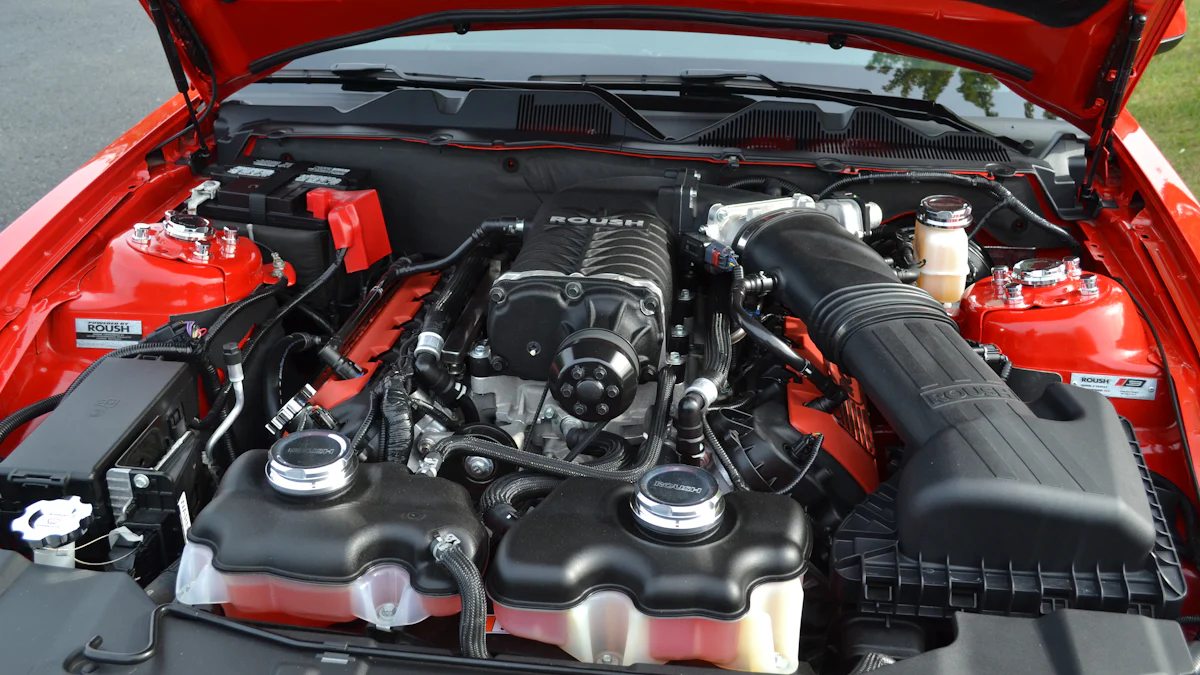
Car engines get really hot when they work. Without cooling, they would overheat and stop. Let's see why cooling is important.
Engines make heat by burning fuel. This powers the car but creates lots of heat. The heat must leave, or the engine will break.
Fuel and air mix inside the engine and explode. This explosion makes power and heat. The heat needs to go away to keep it safe.
Heat builds up fast in engines. Too much can melt or break parts. Overheating means expensive repairs.
Cooling systems stop overheating by taking away extra heat. They help engines run well and last longer.
Radiators are key in cooling systems. They move heat from the engine to the air.
Radiators take engine heat and send it to the air. Coolant takes in this heat and goes through the radiator. Fans blow on it to cool down.
Coolant moves through both engine and radiator, removing heat again and again. Good circulation is crucial for cooling well.
Many things affect how radiators work. Clean ones work best, with right coolant levels helping too. Regular checks keep them working properly.
Knowing how car engines cool helps you understand your vehicle better. Next time you drive, think about how hard your cooling system works to keep things safe.

Laptops get hot fast. Without cooling, they slow down. Learn how they stay cool.
Heat sinks and fans are key for laptop cooling. They stop overheating damage.
Heat sinks take heat from the processor. Metal fins spread it out. This helps laptops work well.
Fans push hot air out. Cool air comes in to replace it. This keeps things cooler.
Good cooling makes laptops faster and last longer. Heat sinks and fans help them run their best.
Thermal paste helps move heat better. It fills gaps between parts for better cooling.
Thermal paste fills spaces between the processor and heat sink. This improves heat flow, keeping laptops cooler.
Putting on thermal paste right is important. Even layers make it work well. It's a simple but big help.
Check your laptop often to keep it cool. Clean fans and change thermal paste when needed for long-lasting performance.
For great cooling, try X-HON products. They offer top cooling fans with options you can customize. Get samples to test them out! Share this info or suggest X-HON for reliable cooling needs.
Refrigerators are like magic boxes. They keep food fresh and drinks cold. The secret is the refrigeration cycle. This cycle keeps everything inside cool.
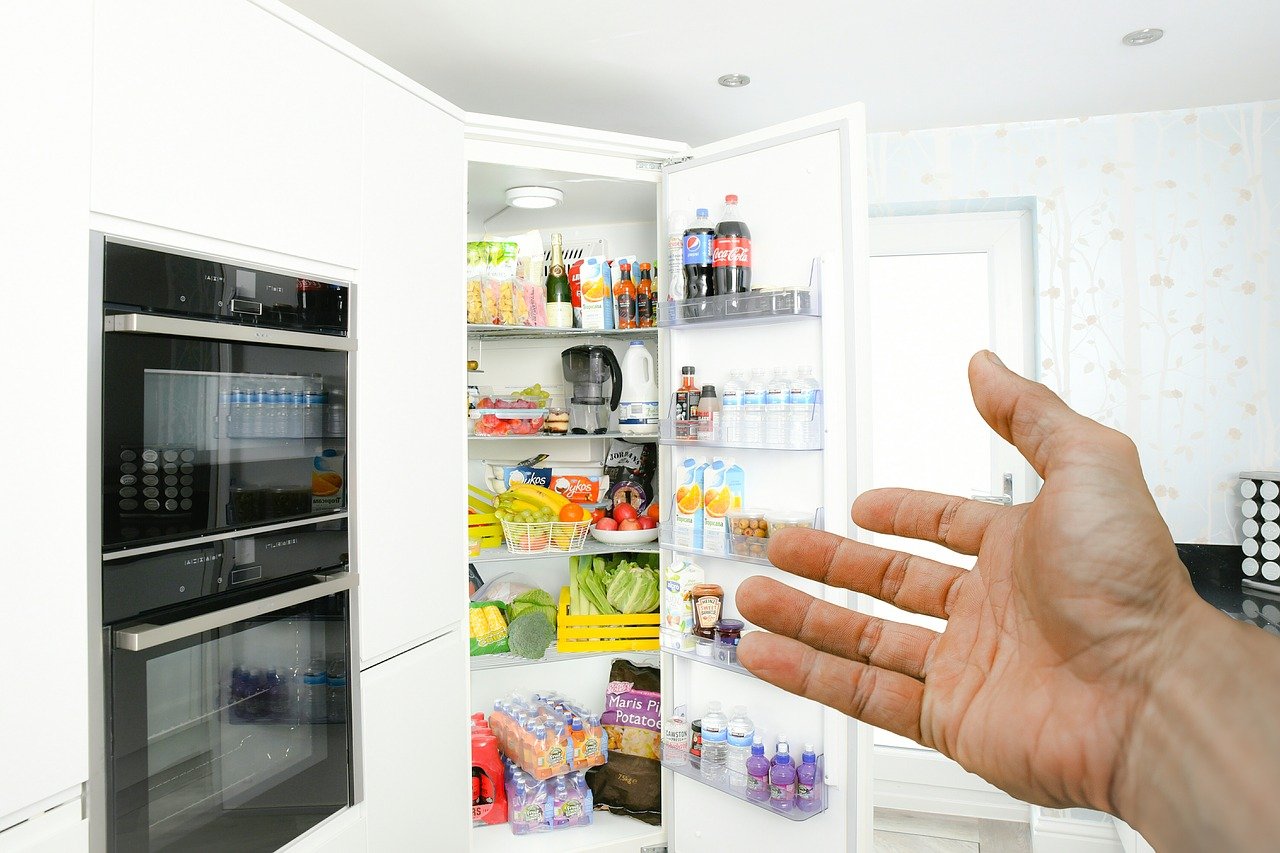
The refrigeration cycle moves heat from inside to outside. A special liquid called refrigerant takes in heat. Then, it lets this heat go outside the fridge. This keeps the inside cold.
The refrigerant starts as a liquid. It absorbs heat and becomes a gas. This gas goes through coils, letting out heat outside. The gas cools down and turns back into a liquid. This repeats to keep your food cold.
The compressor is the fridge's heart. It pushes the refrigerant around the system. The compressor squeezes the gas, making it hot to release heat outside. A working compressor keeps the fridge cool.
Insulation helps refrigerators work well by keeping warm air out.
Fridges use different materials for insulation like foam and fiberglass. These trap air to stop heat from coming in, keeping cold air inside.
A well-insulated fridge blocks heat from entering. Door seals help too; check them often to ensure they work right for less energy waste.
Efficient fridges save energy and money with lower electricity bills over time because about 20% of global electricity goes to cooling systems.
Refrigerators are amazing daily helpers using smart science to stay cool! When you grab a snack, think about this hardworking cycle inside! For better cooling options, explore X-HON products offering professional fans with customizable choices or standard samples for testing! Share this info or suggest X-HON for reliable cooling needs!
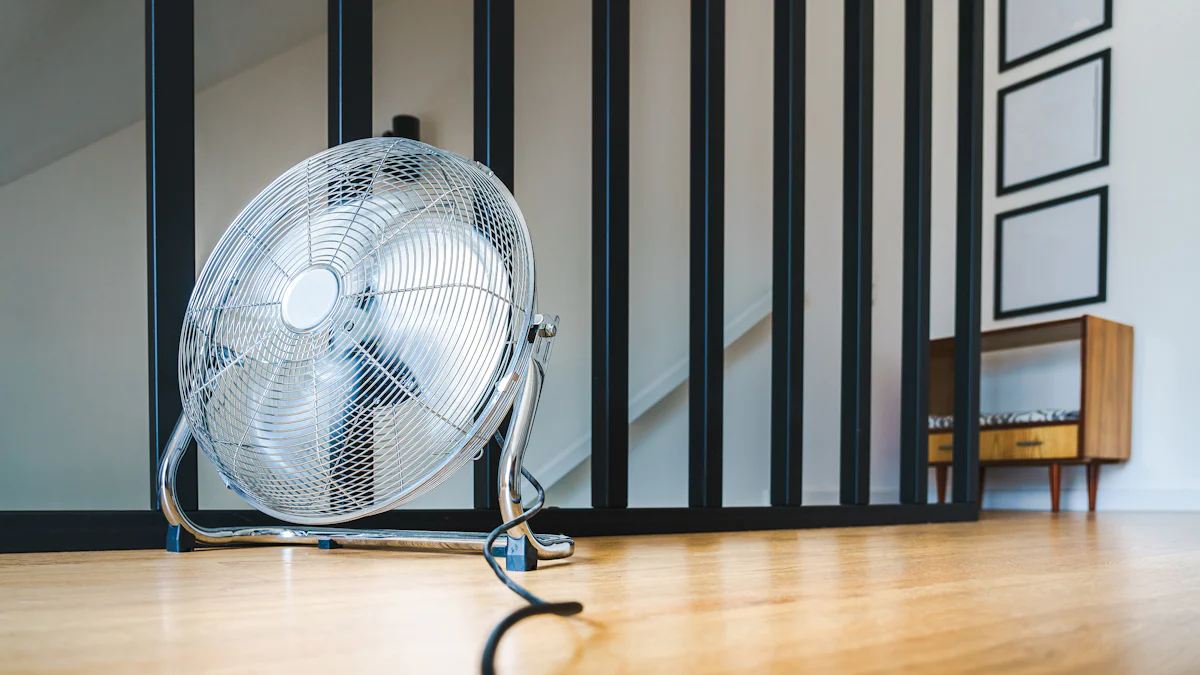
Think about standing by a fan on a hot day. The air feels cooler, even if the temperature stays the same. This is called the wind chill effect. Moving air takes heat from your skin faster than still air does.
A fan makes a breeze that feels cool. Your body loses heat quicker, so you feel cooler. This can make a room seem much cooler without changing the real temperature.
Imagine blowing on hot soup to cool it down. The moving air takes away heat, just like how fans work. Fans in homes and offices help us feel comfy by boosting this natural cooling method.
Your body sweats to stay cool. Sweat turns into gas, taking heat from your skin with it. This helps keep your body temperature normal.
Fans move air over your skin, speeding up evaporation. Faster evaporation means you cool down quicker. That's why fans are great in hot places.
Fans are an easy way to stay comfy. They help us use less air conditioning, saving energy and money too! Fans also help when you're outside or just relaxing at home.
For better cooling, try X-HON products. Our top cooling fans have options you can change and samples to test out! Share this info or suggest X-HON for dependable cooling needs!
Summer heat can make buildings very hot. Learn how smart designs and systems keep them cool.
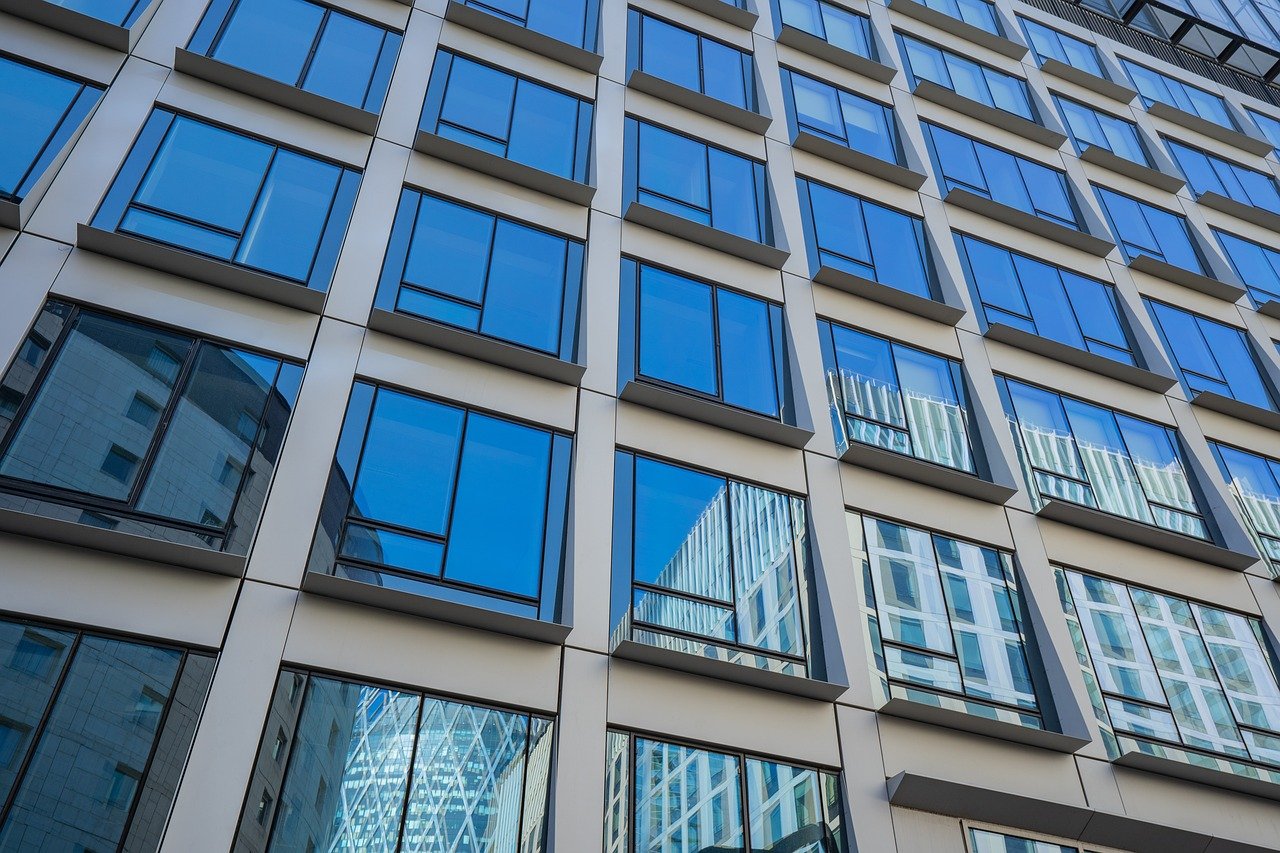
Architects use clever designs to fight heat. Buildings can stay cool without much energy.
Natural cooling uses simple ways to cut down heat. Architects plan for shade and airflow. Big windows let light in but block heat. Thick walls and roofs stop the sun's rays. These tricks help buildings stay cooler naturally.
Materials are important for keeping buildings cool. Light colors bounce sunlight away. Concrete and brick take in less heat than metal does. Insulation keeps cool air inside. Picking the right materials makes a big difference.
Airflow helps get rid of hot air and bring in cool air. Open windows and vents let fresh air move through. Ceiling fans spread air around to make a breeze. Good airflow keeps buildings comfy.
Air conditioning helps when natural ways aren't enough. These systems make indoor air cooler.
Air conditioners take away heat from inside air. They use a special liquid to soak up heat, then fans blow cold air into rooms, making it cooler inside.
The heat swap process is key for cooling with ACs. The liquid takes in heat and turns into gas, which goes outside where it releases the heat, turning back into liquid again to keep things cool.
Saving energy is important for ACs too! New ones use less power, saving money as well! Thermostats change temps by themselves, while regular checks keep them working great!
For great cooling solutions, think about X-HON products! Our top fans offer choices you can change or try samples first! Share this info or suggest X-HON for dependable cooling needs!

Think about blowing on hot soup. Steam goes up, and it cools down. This uses convection and evaporation. Warm air rises, cooler air takes its place. The top cools fast.
Try this at home. Blow softly on your soup. See how the top gets cooler quickly? Moving air helps heat leave faster. The soup is nicer to eat.
Many things change how fast soup cools. Big bowls lose heat quicker. Cold rooms make cooling happen faster too.
Air moving is key for cooling down things. Blowing makes a breeze that takes away heat. Soup cools better this way.
There's a temperature difference between soup and air around it. Heat moves from hot soup to cooler air, making it less hot.
Think about daily life moments like blowing on hot drinks or food to cool them down faster, like coffee or tea! Knowing this helps you every day.
Scientific Research Findings: A study in Chem 13 News Magazine showed conduction then convection best explains how hot fluids cool.
For those curious about cooling tools, check out X-HON products! Our fans can be customized or tested with samples first! Share this info or suggest X-HON for great cooling solutions!
Ice melts fast in a warm drink. Once you add ice, it starts melting.

Conduction moves heat from the drink to the ice. Warm liquid touches ice, making it melt into water.
Big ice cubes melt slower than small ones. A warm room makes them melt faster. Stirring mixes the drink and speeds up melting.
Notice how fast ice melts in your drink. Ice size and room temperature matter a lot. Stirring makes ice disappear quicker.
The air temperature affects how fast ice melts.
Warm air pushes ice to melt quickly. On hot days, ice melts faster. In cool rooms, it lasts longer.
Melting ice cools your drink by taking away heat. This keeps your drink nice and cold.
Knowing about melting helps you enjoy drinks more. On hot days, use more ice to keep drinks cold longer. In cooler places, less ice is okay.
Fun Fact: Ice melting shows how heat moves from warm to cool things, which happens all around us!
For cooling needs, check out X-HON products with customizable fans! Share this info or suggest X-HON for great cooling solutions!

Ice cubes seem to disappear like magic in drinks. They cool your drink as they melt. Knowing why this happens is interesting.
Conduction moves heat from the drink to the ice. The warm drink makes the ice melt fast, especially small ice cubes.
Many things make ice melt quickly. Big ice melts slower because it's bigger. A hot room makes ice melt faster. Stirring spreads heat and speeds up melting.
Watching ice melt shows how heat works. On hot days, ice melts quicker. The drink's temperature and air around it matter a lot.
Warm air makes ice melt fast. On hot days, your ice goes away quickly. In cool places, it lasts longer.
Melting ice takes heat from your drink, keeping it cool and nice to sip.
Knowing this helps you enjoy drinks more! Use lots of ice on hot days for cold drinks longer. In cooler spots, less ice is okay.
Scientific Research Findings: A study called Understanding Heat Flow in a Coffee Cup in Chem 13 News looked at how heat moves and how fast ice melts in drinks.
For cooling needs, check out X-HON products with great fans! Share or suggest X-HON for good cooling solutions!
Your body is like a smart heater and cooler. It keeps you comfy in any weather. Let's see how your body does this cool trick.
Your body has smart ways to keep you warm or cool.
When you're hot, sweat comes out of your skin. The sweat dries up and takes heat away. This cools you down, like a tiny fan on your skin.
When you're hot, blood moves closer to your skin to let heat out. When cold, blood stays inside to keep you warm. Your body works like a heater with settings.
Your brain tells you to find shade or wear a hat when it's sunny. You shiver when cold to make heat. These actions help keep your temperature steady, like a weather app in your head.
Where you are changes how warm or cold you feel.

Clothes hold heat near your body. Layers keep warmth in winter; light clothes let heat go in summer. Your clothes are like a personal weather system.
People in hot places might have darker skin for sun protection. In cold spots, people might have more fat for warmth. Your body changes like a chameleon for different weathers.
Drinking water helps control temperature by aiding sweat and blood flow. Eating good meals gives energy for warmth too. Food is fuel for your body's heating and cooling systems.
Fun Fact: Over time, the human body can get used to different climates, called acclimatization.
For those curious about cooling tools, check out X-HON products! Our fans can be customized or tested with samples first! Share this info or suggest X-HON for great cooling solutions!
Discover how heat moves around you. From cooling drinks to your body's way of staying warm, these things affect daily life. Knowing about heat makes us appreciate science and its help in saving energy.
See how heat travels in things every day.
Value the smart designs that keep gadgets from getting too hot.
Learn about the science that runs our world.
Heat affects everything, like cooking and weather. Understanding it can bring new ideas.
For great cooling, think about X-HON. Our fans have options you can change and samples to try. Share this info or suggest X-HON for good cooling solutions!
Unveiling the Physics of Heat Dissipation in Daily Activities
Effortless Cooling Achieved Through Fan Usage
Unexpected Methods for Efficient Industrial Fan Cooling
